How to Plan Balanced Meals Without Stress: A Simple Guide

Planning balanced meals doesn’t have to be overwhelming or time-consuming. With a few simple strategies, you can create nutritious, enjoyable meals that keep you energized and satisfied. Whether you’re cooking for yourself or your family, these tips will help you plan without stress and maintain a healthy diet.
What Are Balanced Meals?
Balanced meals include a variety of nutrients your body needs to function well. Generally, they consist of:
– Protein: Supports muscle repair and keeps you full. Examples include lean meats, beans, tofu, and fish.
– Carbohydrates: Provide energy. Choose whole grains like brown rice, quinoa, or whole-wheat bread.
– Healthy Fats: Aid in brain function and nutrient absorption. Sources include avocados, nuts, seeds, and olive oil.
– Fruits and Vegetables: Deliver essential vitamins, minerals, and fiber for overall health.
– Hydration: Don’t forget to drink water with your meals.
Balancing these parts ensures you get the right mix of nutrients to feel your best.
Why Plan Your Meals?
Meal planning offers several benefits:
– Saves time and reduces last-minute cooking stress
– Helps control portion sizes for healthier eating
– Reduces food waste by using ingredients efficiently
– Supports budget-friendly grocery shopping
– Encourages variety and balanced nutrition
With a simple plan, you avoid the question, “What’s for dinner?” and make healthier choices throughout the week.
Steps to Plan Balanced Meals Without Stress
1. Start with a Weekly Schedule
Begin by deciding how many meals you need to plan. Consider your routine—do you bring lunch to work? Do you prefer leftovers for dinner? Writing down a rough schedule lets you plan accordingly.
2. Choose Simple, Versatile Recipes
Look for recipes that are easy to make and adaptable. Dishes like stir-fries, salads, soups, or sheet-pan meals allow you to swap ingredients based on what you have. This flexibility reduces stress over finding exact items.
3. Use a Template for Each Meal
Create a basic template to build your meals around. For example:
– Protein + Vegetable + Grain + Healthy Fat
– Salad base + Protein + Dressing + Toppings
– Grain bowl + Veggies + Sauce + Protein
Having a structure helps you quickly assemble balanced meals without overthinking.
4. Make a Shopping List
After planning your meals, write a detailed shopping list organized by grocery sections (produce, dairy, pantry, etc.). This makes shopping quicker and helps you avoid forgetting important ingredients.
5. Prep in Advance
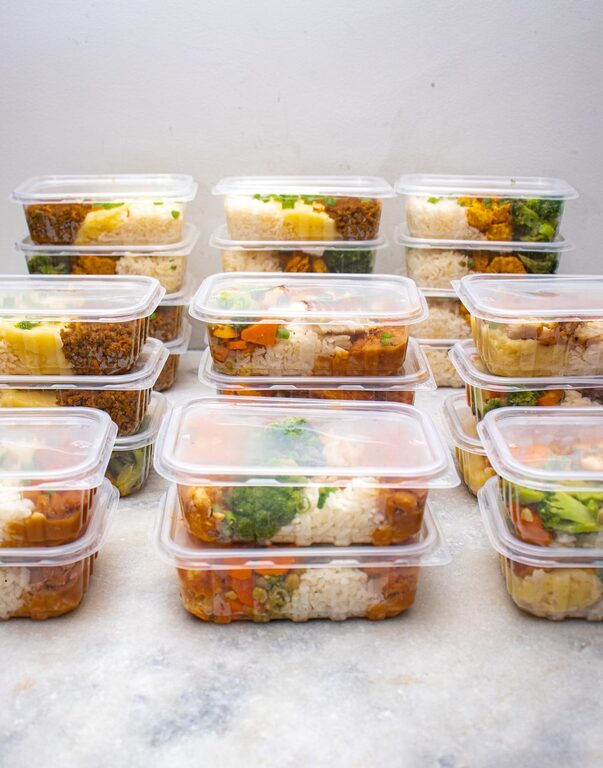
Set aside time to wash, chop, or cook some ingredients ahead of time. Prepping vegetables or cooking grains on the weekend can save valuable time during busy weekdays.
6. Keep Healthy Staples on Hand
Stock up on pantry essentials like canned beans, frozen vegetables, nuts, whole grains, and spices. Having these ingredients ready means you can put meals together even when you don’t have fresh groceries.
7. Be Flexible and Forgiving
It’s okay to switch meals around or use leftovers. If a plan doesn’t work one day, adapt without stress. The goal is progress, not perfection.
Sample Balanced Meal Ideas
Here are some quick ideas following the meal template:
– Grilled chicken + quinoa + steamed broccoli + olive oil drizzle
– Lentil soup + whole-grain bread + side salad with nuts
– Salmon salad with mixed greens, avocado, cherry tomatoes, and lemon dressing
– Stir-fried tofu + brown rice + mixed vegetables + sesame seeds
– Whole-wheat pasta + marinara sauce + sautéed spinach + grated cheese
Tips for Making Meal Planning Easier
– Use apps or printable planners to organize meals and shopping lists.
– Involve family members in choosing recipes to share responsibility.
– Batch cook meals and freeze portions for busy days.
– Experiment with one new recipe each week to keep things interesting.
– Drink water or herbal tea with meals to stay hydrated.
Final Thoughts
Meal planning balanced meals can be straightforward and enjoyable. By following a clear process, using simple recipes, and preparing ahead, you can reduce stress while nourishing your body with wholesome foods. Start small, stay consistent, and watch how healthy eating becomes a natural part of your routine.