
How to Plan Balanced Meals Without Stress: Simple Tips for Every Day

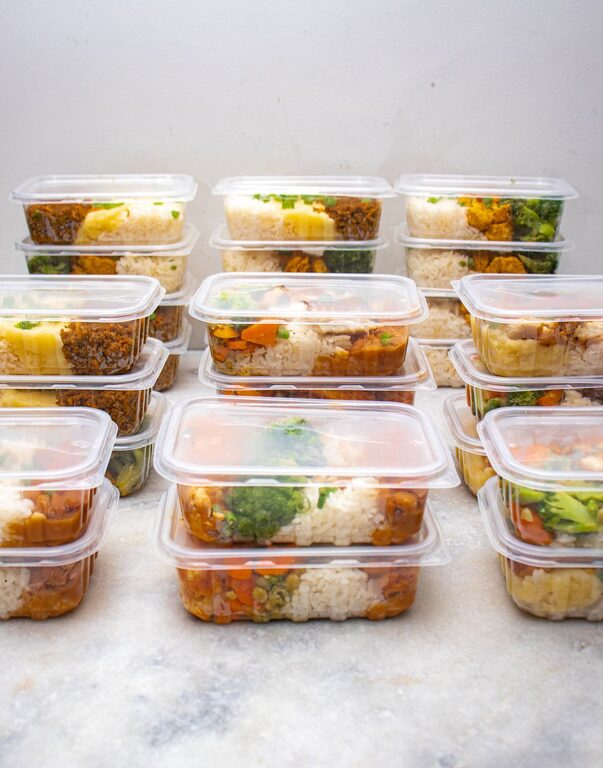
Eating balanced meals is essential for maintaining good health, but planning them can sometimes feel overwhelming. Whether you’re juggling a busy schedule, cooking for a family, or simply trying to eat better, creating nutritious, well-rounded meals doesn’t have to be stressful. With a few simple strategies and some planning, you can enjoy delicious, balanced meals every day with ease.
What Are Balanced Meals?
Before diving into planning, it helps to understand what a balanced meal means. A balanced meal typically includes:
– Proteins: Help build and repair tissues (e.g., chicken, beans, tofu)
– Carbohydrates: Provide energy (e.g., whole grains, fruits, vegetables)
– Healthy Fats: Support brain health and cell function (e.g., olive oil, nuts, avocado)
– Fiber: Aids digestion and keeps you full (e.g., vegetables, legumes, whole grains)
– Vitamins and Minerals: Support overall health (found in a variety of plant-based foods)
Combining these components ensures your body gets the nutrients it needs without feeling deprived.
Step 1: Start With Simple Meal Planning
Planning meals doesn’t mean you have to create complicated menus or spend hours in the kitchen. Start with these easy steps:
Set Realistic Goals
Decide how many meals you want to plan ahead—whether that’s for a full week or just a few days. Smaller goals reduce pressure.
Choose a Planning Method
Use a notebook, a printable meal planner, or a digital tool or app—whichever you find easiest.
Pick Themes or Favorites
Assign themes like “Meatless Mondays” or “Fish Fridays” to simplify choices. Also, list your favorite meals that are nutritious and easy to prepare.
Step 2: Build a Balanced Plate for Each Meal
Use the following guideline for each meal:
– Half your plate with vegetables and fruits: These are rich in fiber, vitamins, and antioxidants.
– One quarter with lean protein: This keeps you full and supports muscle health.
– One quarter with whole grains or starchy vegetables: For sustained energy.
– Add a small portion of healthy fats: Like a drizzle of olive oil or a handful of nuts.
Example Balanced Meal
Grilled chicken breast, quinoa, steamed broccoli, and a mixed green salad with olive oil vinaigrette.
Step 3: Make Smart Grocery Lists
Once you’ve decided on meals, write a grocery list grouped by categories such as fresh produce, proteins, grains, and pantry staples. This saves time and reduces impulse buys.
Tips for Grocery Shopping
– Buy in-season fruits and vegetables for freshness and affordability.
– Stock up on frozen vegetables and fruits—they’re nutritious and last longer.
– Look for whole grain options like brown rice, whole wheat pasta, or oats.
– Include versatile proteins like eggs, canned beans, and Greek yogurt.
Step 4: Prepare in Advance to Save Time
Meal prepping can alleviate daily cooking stress. Here’s how to start:
– Cook grains or proteins in bulk and store them in portions.
– Wash and chop vegetables ahead of time.
– Prepare sauces or dressings in advance.
– Use leftovers creatively for next-day meals.
Batch cooking on weekends or your day off can streamline busy weekdays.
Step 5: Keep Meals Flexible and Enjoy Variety
Balanced meal planning doesn’t mean eating the same dishes repeatedly. Vary your meals to keep things exciting and prevent boredom.
– Swap out different proteins like fish, beans, or tofu.
– Experiment with new vegetables or grain varieties.
– Use herbs and spices to add flavor without extra calories.
If you want to eat out or indulge occasionally, factor that into your plan—balance is key.
Step 6: Practice Mindful Eating
Finally, allow yourself to enjoy meals without guilt or stress. Pay attention to hunger and fullness cues, eat slowly, and savor the flavors.
—
Quick Tips Summary
– Plan meals for a few days at a time.
– Use the balanced plate method as a simple guide.
– Create grocery lists organized by food groups.
– Prep ingredients or meals in advance.
– Keep meals varied and flexible.
– Practice mindful eating habits.
—
By taking small, manageable steps, planning balanced meals becomes a natural part of your routine rather than a burden. With preparation and a positive attitude, you can nourish your body with wholesome foods while keeping stress at bay. Happy meal planning!