
How to Plan Balanced Meals Without Stress

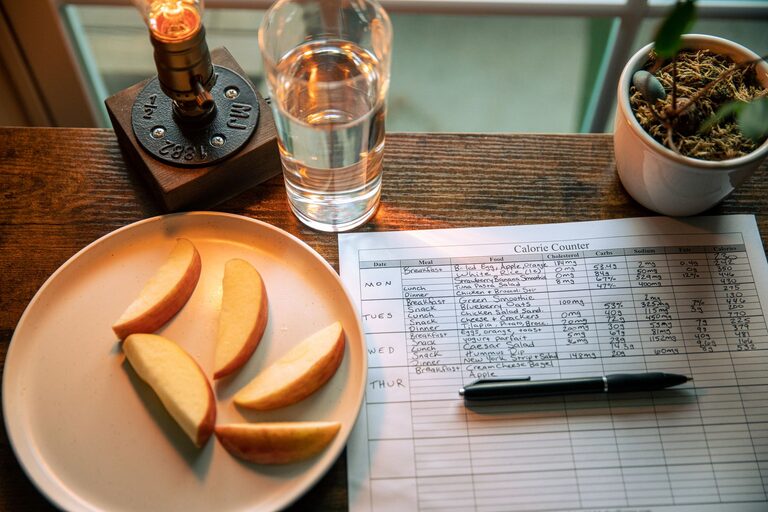
Planning balanced meals can sometimes feel overwhelming, especially with busy schedules and endless food choices. However, creating nutritious, satisfying meals doesn’t have to be complicated or stressful. With a few simple strategies, anyone can plan meals that promote health and enjoyment. This guide will help you understand the basics of balanced meals and offer practical tips to make meal planning a breeze.
What Is a Balanced Meal?
A balanced meal includes a variety of foods that provide essential nutrients your body needs. Typically, this means including:
– Proteins: such as lean meats, beans, tofu, eggs, or fish.
– Carbohydrates: preferably whole grains like brown rice, quinoa, or whole wheat bread.
– Vegetables: offering vitamins, minerals, and fiber.
– Fruits: for natural sweetness and nutrients.
– Healthy fats: found in nuts, seeds, avocados, and olive oil.
– Dairy or dairy alternatives: for calcium and vitamin D.
Combining these elements ensures your body receives energy and nutrients to function well.
Benefits of Planning Balanced Meals
– Improved health: Balanced meals support heart health, digestion, and weight management.
– Better energy levels: Stable blood sugar helps maintain energy throughout the day.
– Reduced food waste: Planning ahead helps you buy only what you need.
– Saves time and money: Knowing what to cook avoids last-minute rushed decisions or expensive takeout.
How to Plan Balanced Meals Without Stress
1. Start with a Simple Framework
Instead of aiming for perfection, use a basic plate model for each meal:
– Half the plate filled with vegetables and fruits.
– A quarter with lean protein.
– A quarter with whole grains or starchy vegetables.
– Add a small amount of healthy fat.
This visual guide makes it easier to assemble balanced meals without overthinking.
2. Keep a Running Grocery List
Keep a notepad or use a phone app to jot down ingredients you need or want to try. Having a ready list prevents impulse buys and ensures your kitchen has staples like rice, beans, frozen vegetables, and healthy fats.
3. Plan Meals Around What You Like and Have
Check your fridge and pantry first. Choose recipes that use ingredients you already have to reduce waste and save money. Incorporate your favorite foods, so eating balanced meals feels rewarding, not like a chore.
4. Batch Cook or Meal Prep
Set aside a couple of hours once a week to prepare ingredients or meals in advance. Cooking grains, roasting vegetables, or portioning snacks can make meal assembly quick during busy days.
5. Use Versatile Ingredients
Select ingredients that work in multiple dishes. For example, chicken can be grilled for dinner and added to salads or wraps the next day. Quinoa can be a side dish or part of a breakfast bowl.
6. Keep Recipes Simple
Balanced meals don’t need to be complicated. A stir-fry with vegetables, tofu, and brown rice or a hearty salad with mixed greens, beans, nuts, and fruit can be prepared in under 30 minutes.
7. Don’t Be Afraid of Leftovers
Leftovers can be a lifesaver. They save cooking time and give you a ready-to-eat balanced meal. Be creative by turning leftover roasted vegetables into soups or wraps.
8. Listen to Your Body
Balanced eating doesn’t mean restriction. Notice how different foods make you feel and adjust portions or types of food according to your hunger and satisfaction.
Sample Balanced Meal Ideas
– Breakfast: Greek yogurt with berries, a sprinkle of nuts, and a small drizzle of honey.
– Lunch: Whole grain wrap with grilled chicken, mixed greens, avocado, and a side of carrot sticks.
– Dinner: Baked salmon with quinoa, steamed broccoli, and a mixed green salad with olive oil dressing.
– Snack: Apple slices with peanut butter or a handful of almonds.
Tips for Staying Consistent
– Plan your meals once a week to avoid daily decision fatigue.
– Keep healthy snacks available to reduce temptation for less nutritious options.
– Be flexible: if you miss one meal plan, don’t stress, just get back on track next time.
– Experiment with new recipes to keep meals interesting.
Conclusion
Planning balanced meals doesn’t need to be a source of stress. By using simple frameworks, prepping ahead, and focusing on foods you enjoy, you can nourish your body and simplify your routine. Remember, healthy eating is a journey—not a strict set of rules—so be kind to yourself and enjoy the process of discovering what works best for you.