
How to Plan Balanced Meals Without Stress: Simple Tips for Every Day

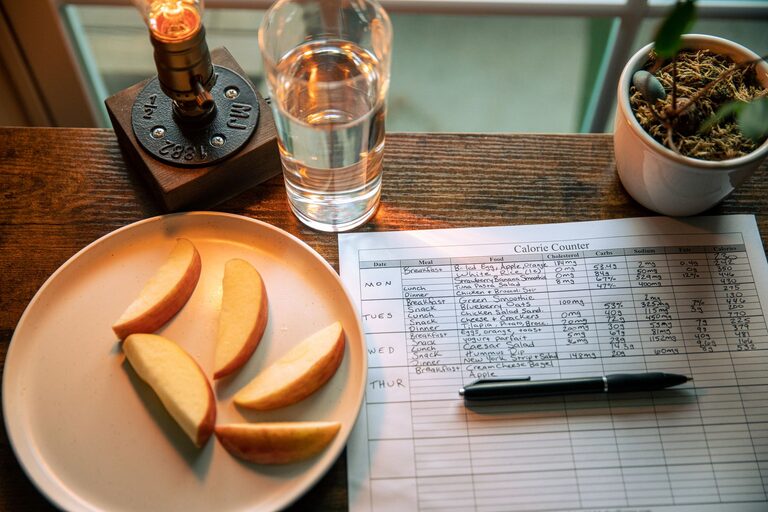
Planning balanced meals can sometimes feel overwhelming, especially with busy schedules and endless food choices. However, creating nutritious and enjoyable meals doesn’t have to be stressful. With a few simple strategies, you can make meal planning a smooth and even enjoyable part of your routine. This guide will help you understand how to plan balanced meals without stress, so you can focus on feeling good and fueling your body.
What Does a Balanced Meal Look Like?
Before diving into planning, it helps to know what makes a meal balanced. Generally, a balanced meal includes:
– Proteins: Lean meats, fish, beans, tofu, or dairy to support muscle and tissue health.
– Carbohydrates: Whole grains, fruits, and vegetables for energy and essential nutrients.
– Healthy Fats: Nuts, seeds, avocados, and olive oil to support brain function and cell health.
– Fiber: Vegetables, fruits, and whole grains to aid digestion and keep you full.
– Vitamins and Minerals: A variety of colorful produce to cover your nutritional bases.
With these components in mind, you can mix and match foods to create meals that are both nutritious and satisfying.
Step 1: Set Simple Goals
Start with realistic goals to keep things manageable. Rather than aiming for perfect meals every time, focus on these basics:
– Include at least one vegetable with every meal.
– Choose whole grains most of the time.
– Incorporate a source of protein daily.
– Limit highly processed foods.
Setting achievable goals reduces pressure and helps build lasting habits.
Step 2: Create a Weekly Plan
Planning your meals for the week is one of the best ways to reduce mealtime stress. Here’s how to do it easily:
Make a Meal Calendar
- Use a simple calendar or app to outline your meals.
- Plan breakfast, lunch, and dinner, along with snacks if needed.
- Choose recipes or meal ideas that you enjoy and that fit your schedule.
Batch Plan Similar Ingredients
To simplify shopping and cooking, pick meals that use some of the same ingredients. For example, if you buy spinach, you might use it in a smoothie, salad, and pasta dish across different days.
Step 3: Shop Smart
With your meal plan ready, make a shopping list organized by category (produce, protein, grains, dairy, etc.). This saves time and helps prevent impulse buys. Here are a few shopping tips:
– Buy seasonal fruits and vegetables for better flavor and cost savings.
– Stock up on pantry staples like rice, beans, and canned tomatoes.
– Choose fresh or frozen vegetables to keep a variety on hand.
Step 4: Keep Meal Prep Simple
Meal prepping doesn’t have to be complicated. Preparing ingredients in advance can make cooking at mealtime faster and less stressful.
Quick Meal Prep Ideas
– Wash and chop vegetables and store them in containers.
– Cook grains or proteins in bulk and refrigerate or freeze portions.
– Assemble grab-and-go snacks like yogurt with fruit or trail mix.
Even spending 30 minutes a few times a week can make a big difference.
Step 5: Be Flexible and Kind to Yourself
Remember that meal planning is a guide, not a rulebook. Life can throw unexpected changes your way, and that’s okay!
– Swap meals or ingredients as needed.
– Use leftovers creatively to reduce waste.
– Allow yourself occasional treats and convenience meals without guilt.
A relaxed approach keeps meal planning enjoyable and sustainable.
Bonus Tips for Balanced Eating
– Drink plenty of water throughout the day.
– Pay attention to hunger and fullness cues.
– Try new recipes to keep meals exciting.
– Involve family or friends in meal planning and cooking.
Sample Balanced Meal Ideas
– Breakfast: Greek yogurt with berries, nuts, and a drizzle of honey.
– Lunch: Quinoa salad with chickpeas, cucumbers, tomatoes, and feta cheese.
– Dinner: Grilled chicken with roasted sweet potatoes and steamed broccoli.
– Snack: Apple slices with almond butter.
These examples provide a mix of nutrients and flavors that are simple to prepare.
—
By following these steps, meal planning can shift from a source of stress to a positive part of your routine. Balanced meals support your well-being and give you more energy to enjoy your day. Start small, stay flexible, and celebrate your progress toward healthier, happier eating!