
Practical Tips for Keeping Kids’ Art Organized and Clutter-Free

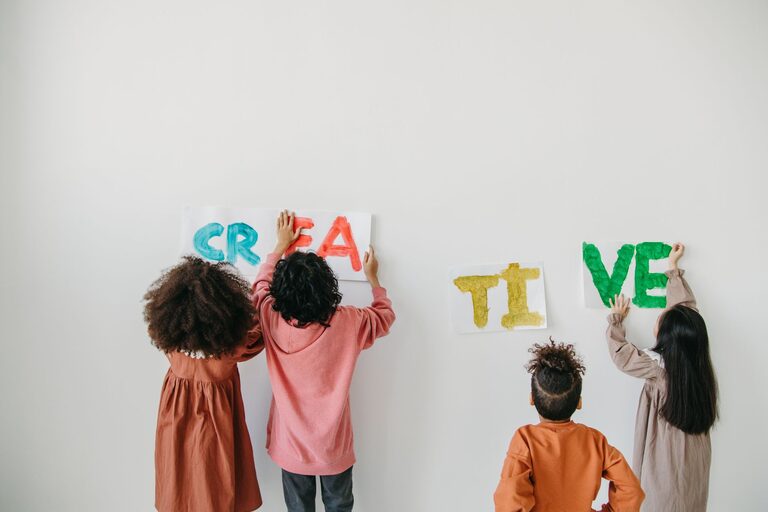
Kids’ artwork is full of color, creativity, and cherished memories. From scribbles to painted masterpieces, these creations showcase your child’s imagination and growth. However, as the collection grows, it’s easy to feel overwhelmed by piles of paper and craft projects scattered around the house. Organizing kids’ art not only preserves these special moments but also keeps your home clutter-free and stress-free.
In this post, we’ll share practical tips and fun ideas to help you organize and display your children’s art in a way that works for your family. Whether you want to keep everything or just save the highlights, these strategies are simple to implement and will turn your child’s artwork into a treasured part of your home.
Why Organizing Kids’ Art Matters
Before diving into tips, it’s helpful to understand why organizing kids’ art benefits both parents and children:
– Preserves memories: Artwork captures your child’s interests and development at various ages.
– Reduces clutter: Instead of piles of paper everywhere, a system keeps things tidy.
– Encourages creativity: Displaying art prominently shows your child that their efforts are valued.
– Makes sharing easy: Organized art is easier to share with family members or create gifts.
– Teaches kids organization: Involving children boosts their responsibility and pride in their work.
Now, let’s explore specific tips for organizing art efficiently.
Create a Dedicated Art Space
Designate an area in your home specifically for art projects and supplies. This can be a corner of a room, a small table, or a craft cart. Having a dedicated spot encourages your child to focus on art and makes cleanup easier.
Tips for setting up the art space:
– Use clear containers or bins to store supplies.
– Include a display board or wall for recent artworks.
– Keep a small trash bin nearby for scraps.
– Add labels for each storage container to help your child find and put away materials.
Sort and Select Regularly
Kids tend to create lots of art, so keeping everything isn’t realistic. Schedule regular times (monthly or quarterly) to go through the collection together.
Sorting ideas:
– Keep the favorites: Choose pieces that showcase milestones, special memories, or your child’s best work.
– Photograph or scan: For bulky or less special items, take photos to preserve digitally.
– Recycle respectfully: Teach children that it’s okay to let go of some art, especially if it’s damaged or repetitive.
Use these questions to decide what to keep:
– Does this piece show a new skill or technique?
– Does it capture a special memory or event?
– Is my child proud of this work?
Use Storage Solutions That Work for You
After sorting, store the selected artwork in a way that fits your space and lifestyle.
Popular storage options include:
1. Portfolios or Art Folders: Flat, large folders keep artwork organized by size or date. Label each with your child’s name and dates.
2. Art Bins or Boxes: Plastic bins with lids are ideal for 3D projects or mixed media art. Clear bins let you see the contents easily.
3. Filing Cabinets: Use file folders sorted by year or school grade for a systematic approach.
4. Digital Storage: Create folders on your computer or cloud storage for scanned or photographed art. This also makes sharing easier.
Display Artwork Creatively
Displaying art gives it value and brightens your home environment. Rotate pieces often to keep the display fresh.
Display ideas:
– Gallery Wall: Use frames or clipboards on a wall to showcase rotating artwork.
– String and Clips: Hang a string with clothespins in a playroom or hallway for easy swapping.
– Art Books: Bind selected pieces in a simple scrapbook or photo book.
– Digital Frames: Upload scanned artwork to a digital photo frame that cycles through images.
Involve Your Child in the Process
Encourage your child to help organize and choose what to keep. This teaches responsibility and helps them appreciate their creations.
Ways to include your child:
– Let them pick which pieces to display.
– Help label storage containers or folders.
– Choose artwork for gifts or cards together.
Preserve Special Projects Long-Term
For very special pieces like school awards or three-dimensional crafts, consider dedicated solutions:
– Use shadow boxes for 3D projects.
– Create yearly photo books combining photos of bulky projects and flat artwork.
– Pass pieces on to family members as keepsakes.
Keep It Simple and Flexible
Remember, the goal is to reduce stress, not add to it. Find a system that fits your family’s routine and adjust as needed. Even small steps can make a big difference in keeping kids’ art organized.
Final Thoughts
Organizing your children’s artwork doesn’t have to be a chore. By setting up a dedicated space, sorting regularly, using smart storage, and showcasing creations proudly, you can celebrate your child’s creativity while keeping your home neat. Plus, involving your child makes the process meaningful and fun for everyone. Start today and enjoy a clutter-free, colorful home filled with treasured memories!